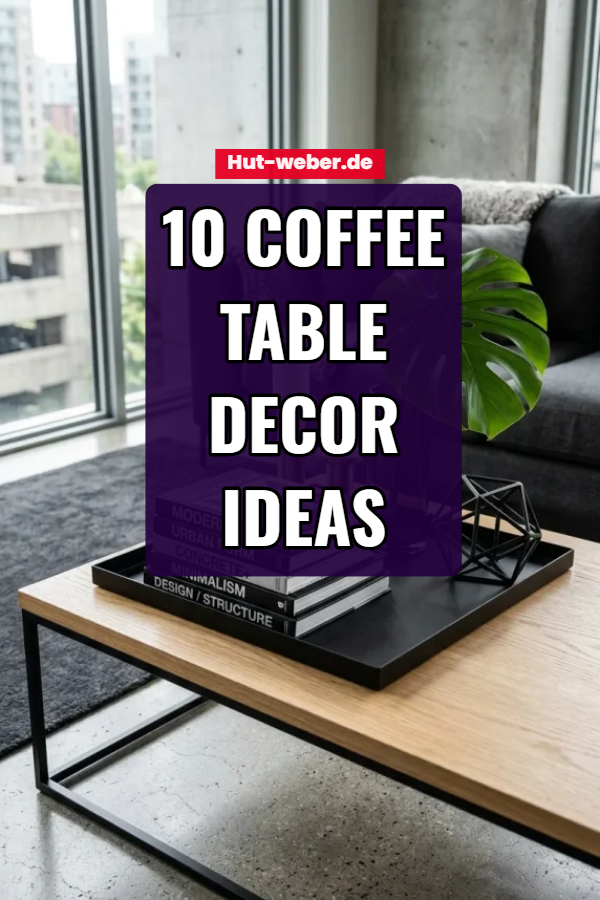
10 Coffee Table Decor Ideas

A coffee table sits at the literal and visual center of the living room, acting as an anchor for seating arrangements and setting the tone for your entire home. While its primary role is practical—holding drinks, remotes, and reading material—it offers one of the most effective surfaces for showcasing personal style. Decorating a coffee table successfully requires balancing scale, managing height variation, and combining complementary textures without creating functional clutter.
By applying structured styling formulas—such as grid arrangements, tray containment, sculptural balance, and the rule of threes—you can transform a plain table surface into a polished, interior-designed focal point. This guide details 10 creative coffee table decor ideas tailored across varied interior styles, table shapes, and room layouts. You will learn actionable techniques for layering objects, integrating organic botanicals, and maintaining full surface functionality for everyday living.
Why This Idea Is Trending or Useful
Coffee table styling has emerged as a cornerstone of modern interior design because it delivers a high visual impact with minimal spatial investment. Elevating a living room often doesn’t require new furniture or major layout changes; a thoughtful restyling of the central coffee table can immediately refresh the entire room.
The practical value of intentional styling lies in visual containment. Unstyled tables easily accumulate everyday clutter like loose controllers, mail, and stray cups. Using structured decorative frameworks—such as trays, bowls, and stacked books—gives everyday items designated resting spots while keeping the living area clean and organized. Furthermore, coffee table decor is inherently flexible: accents can be swapped seasonally, rearranged for entertaining, or updated over time on a modest budget. Mastering these surface-styling principles builds foundational design skills, including proportion management, color balance, and spatial awareness.
Materials and Preparation
Achieving a balanced coffee table arrangement relies on gathering a versatile kit of foundational objects and preparing the surface properly. Before purchasing new decor, assess your coffee table’s shape (rectangular, round, square, or oval), material (wood, glass, marble, or metal), and overall scale relative to your sofa.
Recommended Decorative Elements
- Grounding Bases: Footed wooden trays, woven seagrass trays, marble trivets, or low brass platters.
- Elevating Foundations: Hardcover coffee table art/design books in varying sizes and coordinated spine colors.
- Vertical & Sculptural Elements: Taper candle holders, tall ceramic vases, sculptural brass objects, or stoneware bowls.
- Organic Accents: Fresh seasonal florals, preserved eucalyptus, potted succulents, or dried moss balls.
- Tactile & Functional Touches: Leather-bound coasters, match bottles with strike pads, marble beads, or small stone dishes.
Surface Preparation & Maintenance
- Clean & Seal: Wipe down the table surface thoroughly. Apply a suitable wood conditioner, marble sealer, or glass cleaner depending on your table’s material.
- Surface Protection: Attach soft felt pads or clear rubber bumpers to the bases of heavy trays, ceramic vases, and stone objects to prevent scratches.
- Clear Clearance: Measure visual sightlines from your sofa seating to ensure tall decorative elements (like flower stems) do not block television views or face-to-face conversation across the room.
Idea 1: The Grid System (Four-Quadrant Balance for Rectangular Tables)
Concept and Design Overview

The grid system is the gold standard for styling long rectangular or large square coffee tables. This method visually divides the tabletop into four equal quadrants, placing a distinct decorative group in each section. By balancing distinct visual weights across a grid, the table feels organized, symmetrical, and full without looking cluttered.
A typical grid pairing combines a stack of large art books in one quadrant, a shallow decorative tray in the second, a tall sculptural vase in the third, and a low bowl or decorative object in the fourth. The color palette often uses neutral tones—cream, warm grey, taupe, and matte black—to establish a sophisticated modern look. This structured layout works exceptionally well for spacious living rooms, formal sitting areas, and deep rectangular coffee tables.
Step-by-Step Creation Method
- Divide the Surface: Visually map your rectangular table into four equal quadrants.
- Anchor Quadrant 1 (Bottom Left): Place two or three large hardcover design or photography books flat on the surface, stacking them from largest to smallest.
- Position Quadrant 2 (Top Right): Place a rectangular or oval tray diagonally opposite the book stack to create balanced weight across the grid.
- Add Height in Quadrant 3 (Top Left): Set a tall ceramic or stoneware vase directly onto the table surface. Insert a few branch stems (such as olive or branch greenery) to introduce vertical height.
- Ground Quadrant 4 (Bottom Right): Place a low, footed marble or wooden bowl filled with moss spheres, smooth river stones, or wood beads.
- Refine Details: Top the book stack with a small brass object, glass paperweight, or match bottle to complete the layered look.
Idea 2: The Triad Rule (Three-Point Composition for Round Tables)
Concept and Design Overview

Styling a round coffee table presents a unique challenge: without straight edges, rectangular arrangements can look awkward. The solution is the Triad Rule, which creates a triangular composition of three distinct items of varying heights and shapes.
This approach pairs a high point (a tall vase or candlestick), a medium point (a stack of books), and a low point (a small bowl, candle, or decorative dish). Arranging these three points in a triangle creates a dynamic composition that looks balanced from every angle in the room. Color palettes emphasize organic warmth—burnt terracotta, warm oak, sage green, and soft linen. This flexible method is ideal for circular tables, round ottomans, and compact living rooms.
Step-by-Step Creation Method
- Find the Center: Imagine an equilateral triangle floating in the middle of your round table.
- Establish the High Point: Place a tall, slender vase holding fresh flowers or dried pampas grass at the back apex of your triangle.
- Create the Medium Point: Lay a stack of two square hardcover books at the front-left corner of the triangle, topping it with a small candle tin or stone coaster.
- Set the Low Point: Position a low ceramic trinket dish, a footed soapstone bowl, or a glass votive holder at the front-right corner.
- Adjust Sightlines: Step back and rotate around the table, ensuring no single object completely hides another from any sofa seating angle.
Idea 3: Organic Minimalist (Single Statement Tray Display)
Concept and Design Overview

For those who prefer a clean, uncluttered surface, the single statement tray approach simplifies styling while maximizing negative space. Instead of spreading multiple items across the table, every decorative element is contained within one high-quality tray positioned in the center or off to one side.
This leaves the majority of the tabletop open for practical daily use—resting feet, setting down laptop trays, or placing drink coasters. The aesthetic focuses heavily on texture contrast: pairing a rustic footed wood tray with smooth ceramic vessels, brass candle snuffed accents, and linen-wrapped books. The color scheme focuses on monochromatic neutrals—beige, ivory, charcoal, and natural timber. This approach suits modern minimalist apartments, busy family rooms, and Scandinavian-inspired interiors.
Step-by-Step Creation Method
- Select the Anchor Tray: Choose a substantial rectangular, round, or rimmed tray that takes up no more than one-third of your total table surface.
- Add Base Rubber Pads: Stick clear rubber bumpers to the bottom corners of the tray to protect the table finish from scratches.
- Place the Vertical Anchor: Set a short, wide-mouthed ceramic jug or pottery vase on one side of the tray, filling it with a few cut stems of eucalyptus or branch greenery.
- Add Low Horizontal Layers: Lay a small stack of two neutral-spined books on the opposite side of the tray.
- Top with Accents: Place a glass-encased scented candle or a small brass object directly on top of the book stack.
- Position the Tray: Place the styled tray slightly off-center on the table to embrace intentional asymmetry.
Idea 4: Warm Organic Modern (Natural Wood, Stone, and Botanical Textures)
Concept and Design Overview

The warm organic modern style mixes raw, natural textures with clean contemporary silhouettes. This concept layers earthy materials—such as travertine stone, rough stoneware pottery, woven rattan, unvarnished teak, and wild botanical branches—to make modern living rooms feel inviting.
Rather than polished metals or high-gloss plastics, elements feature matte, tactile finishes. A low travertine tray acts as a base for a rough-cast ceramic vase holding dramatic leafy branches, paired with a carved wooden chain link and a concrete candle holder. The palette highlights earthy tones: sandy beige, clay rust, olive green, warm stone, and deep walnut. This style works exceptionally well on marble, glass, or mid-century wooden coffee tables needing organic softening.
Step-by-Step Creation Method
- Ground with Stone or Timber: Set a low travertine stone slab or unvarnished wooden platter in the center of the table.
- Add Dramatic Greenery: Place a matte-finish stoneware vessel onto the platter, filling it with tall, naturally arching olive branches or dogwood stems.
- Layer Tactile Sculptural Elements: Drape a carved wooden chain link or a strand of oversized terracotta beads across a small stack of linen-bound art books.
- Incorporate Natural Flame: Add a hand-poured soy candle inside a rough concrete or clay vessel onto the stone platter.
- Soften with Ceramics: Place a small, low stoneware bowl nearby containing natural dried moss or smooth river pebbles.
Idea 5: High-Contrast Modern Industrial (Matte Black, Metals, and Architecture Books)
Concept and Design Overview

The modern industrial look focuses on bold graphic lines, metallic accents, and high contrast against light surfaces. This styling technique uses structured matte black metal frames, smoked glass, brushed brass details, and bold architectural design books.
Instead of soft florals, this aesthetic uses structural botanical forms like dark monstera leaves, dried thistles, or air plants. A matte black wire or powder-coated tray holds sleek metallic candle pillars, an iron link sculpture, and clean monochrome paperweights. The color scheme is sharply high-contrast: jet black, bright white, brushed gold, and raw steel grey. This style pairs perfectly with concrete, glass, or light oak coffee tables in modern lofts and contemporary homes.
Step-by-Step Creation Method
- Set a High-Contrast Base: Place a matte black metal tray or dark smoked-glass trivet onto your table surface.
- Stack Graphic Art Books: Create a precise stack of two large photography or architecture books featuring bold black-and-white typography on their spines.
- Incorporate Metallic Accents: Set a pair of brushed brass or dark steel pillar candle holders at varying heights beside the book stack.
- Add Architectural Botanicals: Position a clear or smoked-glass cylinder vase holding a single, broad green leaf (like a monstera or palm frond).
- Complete with Geometric Objects: Place a geometric iron icosahedron or heavy steel paperweight on top of the book stack.
Idea 6: Rustic Farmhouse (Vintage Crate, Mason Jars, and Wildflowers)
Concept and Design Overview

The rustic farmhouse style brings cozy, lived-in charm to living rooms through repurposed vintage finds and casual floral arrangements. This design centers on an antique shallow wooden crate, a distressed white tray, or a galvanised metal trough that holds nostalgic rustic accents.
Inside the central container, vintage glass canning jars hold fresh or dried wildflowers, paired with distressed pillar candle holders and vintage iron keys. The overall feeling is relaxed and unpretentious, prioritizing warmth over formal symmetry. The color palette focuses on distressed cream, warm barn-wood brown, pale blue glass, sage green, and antique iron grey. This concept is ideal for reclaimed wood coffee tables, tufted storage ottomans, and country-style home interiors.
Step-by-Step Creation Method
- Anchor with Vintage Wood: Place a shallow, vintage-style wooden crate or distressed white tray in the center of the table.
- Arrange Jar Florals: Set two clear or aqua-tinted vintage mason jars inside the crate, filling them with loose bunches of wildflowers like chamomile, lavender, or baby’s breath.
- Add Distressed Lighting: Place two turned-wood pillar candle holders with distressed white paint inside or alongside the crate.
- Layer Nostalgic Objects: Lay a small ring of vintage iron keys or a string of wooden beads over a stack of worn, antique hardback novels.
- Finish with Natural Texture: Tuck a small woven coaster set or small ceramic pitcher into the remaining open space within the crate.
Idea 7: Sculptural Glamour (Polished Brass, Crystal, and Art Glass)
Concept and Design Overview

The sculptural glamour concept introduces high shine, reflective surfaces, and artistic accents to create a luxurious, boutique-hotel aesthetic. This approach relies on polished metallics, cut crystal, mirrored surfaces, and bold art glass sculptures that capture ambient living room light.
A high-gloss lacquered or brass-rimmed tray acts as a reflective stage for a heavy crystal bowl, polished gold taper holders, and vibrant fashion design art books. Instead of casual greenery, florals are manicured and structured, such as short-stemmed white roses or orchids in a mirror-finished vase. The color palette emphasizes rich, glamorous tones: polished gold, brass, crystal clear transparency, deep emerald, and blush pink. This style is tailored for velvet sofas, metallic coffee tables, and formal glam living rooms.
Step-by-Step Creation Method
- Position a Reflective Base: Place a polished brass-rimmed glass or high-gloss black lacquered tray in the center of the coffee table.
- Stack Luxury Art Books: Create a neat stack of two oversized fashion or jewelry design books ( featuring bold, glossy covers).
- Add Polished Metal Lighting: Set a pair of sleek, polished gold or brass taper candle holders holding tall ivory taper candles next to the books.
- Incorporate Sculptural Glass: Place a heavy cut-crystal bowl or an artistic blown-glass object on the opposite side of the tray.
- Add Manicured Florals: Position a low, wide silver or mirrored vase containing tightly clustered white roses or spray orchids onto the tray surface.
Idea 8: Coastal Breeze (Woven Seagrass, Coral, and Glass Apothecary Jars)
Concept and Design Overview

The coastal breeze design brings airy beachside relaxation and natural ocean textures to your living room without feeling overly kitschy. This layout centers on a natural woven seagrass, rattan, or whitewashed wooden tray that adds organic warmth to the center of the room.
Decorative elements include white resin coral pieces, smooth sea-glass beads, clear glass apothecary jars filled with fine white sand or small seashells, and light blue or linen-bound books. The color scheme is inspired by coastal landscapes: pale seafoam aqua, sandy beige, driftwood grey, and crisp porcelain white. This style works exceptionally well on light oak, whitewashed wood, or glass-topped coffee tables in bright, sunlit spaces.
Step-by-Step Creation Method
- Anchor with Woven Fiber: Place a round or rectangular woven seagrass or rattan tray centrally on your coffee table.
- Stack Coastal Literature: Place two light blue or neutral linen-bound books stacked inside one side of the woven tray.
- Add Ocean-Inspired Sculpture: Position a piece of textured white resin coral or a large polished white shell directly on top of the book stack.
- Set Up Glass Sand Vessels: Place a clear glass cylinder jar filled halfway with fine white sand and small seashells on the opposite side of the tray.
- Drape Sea Glass Accents: Softly drape a strand of frosted pale aqua sea-glass beads across the edge of the woven tray, allowing it to spill slightly onto the tabletop.
Idea 9: Functional Family-Friendly (Deep Bins, Covered Boxes, and Board Games)
Concept and Design Overview

For homes with young children or busy daily routines, coffee table decor must be practical, safe, and easy to clear. The functional family-friendly design prioritizes durable materials, enclosed storage, and rounded edges that eliminate sharp glass or delicate ceramics.
This approach uses a deep woven storage basket or covered wooden box to quickly stow controllers, remotes, toys, and chargers out of sight. Decorative accents include sturdy wooden board games (such as a classic wooden tic-tac-toe set), faux non-shattering greenery in plastic or wood containers, and durable fabric-bound books. The color palette focuses on forgiving, warm family tones: mid-tone oak, warm tan leather, navy blue, and natural jute. This style is essential for high-traffic living rooms, upholstered storage ottomans, and active family homes.
Step-by-Step Creation Method
- Place a Deep Storage Unit: Position a sturdy, deep woven fabric or leather basket on one half of the coffee table to house remotes, controllers, and loose electronics.
- Add Interactive Decor: Set a stylish, heavy wooden tic-tac-toe set or marble solitaire board game on the open side of the table for casual family play.
- Layer Durable Hardcover Books: Lay a stack of heavy, durable family atlas or children’s illustration books flat on the table.
- Use Enclosed Covered Boxes: Place a small leather-bound or wooden box with a lid on top of the book stack to hide small knick-knacks safely.
- Incorporate Safe Greenery: Position a small potted artificial succulent or preserved moss bowl in a shatterproof wooden or melamine pot to complete the look safely.
Idea 10: Seasonal Refresh (Adaptable Layering for Rotating Decor)

Concept and Design Overview
The seasonal refresh framework establishes a permanent baseline layout on your coffee table while leaving designated spots to rotate decor four times a year. This adaptable approach relies on a timeless, neutral foundation—a neutral tray, a classic book stack, and a neutral vessel—that remains constant year-round.
By simply swapping out florals, candle scents, and small accents every season, your living room stays attuned to the time of year without requiring a full decor overhaul. The color palette naturally evolves: fresh pastel greens in spring, vibrant whites and blues in summer, warm rust and amber in autumn, and deep pine and brass in winter. This approach is ideal for homeowners who enjoy updating their living spaces for holidays and changing seasons.
Step-by-Step Creation Method
- Set the Permanent Foundation: Place a neutral wooden or marble tray in the center of the table alongside a stack of two classic, neutral-spined art books.
- Spring Rotation: Fill your central ceramic vase with fresh tulips or cherry blossom branches. Add a light linen-scented candle and a small pastel glass object.
- Summer Rotation: Swap in lush peonies, hydrangeas, or green palm leaves. Add a citrus-scented candle and a strand of light blue glass beads.
- Autumn Rotation: Replace greenery with dried pampas grass, preserved eucalyptus, or oak leaf branches. Add an amber candle tin and a pair of small ceramic white pumpkins.
- Winter Rotation: Insert fresh evergreen pine boughs, cedar sprigs, and red holly berries into the vase. Add a cinnamon/clove candle and a small metallic star or glass ornament.
Common Styling Mistakes to Avoid
- Blocking Sightlines: Avoid using overly tall vases or dense floral arrangements that block sightlines between sofa seats or obscure the television screen. Keep high elements slender or below 14–16 inches.
- Overcrowding the Surface: Covering 100% of the coffee table leaves no functional space for set-down items like coffee mugs, water glasses, or books. Aim to leave at least 30% to 50% of the tabletop completely clear.
- Ignoring Table Shape: Placing a long, rigid rectangular grid on a small round table creates visual clash. Always match your composition layout (Grid vs. Triad vs. Single Tray) to the physical geometry of your table.
- Flat Landscape (Single Height Level): Placing items that are all the exact same height makes the arrangement look flat and uninteresting. Always layer low items (trays/dishes) with medium items (books) and tall items (vases/candles).
- Using Neglected Real Plants: Placing living plants on coffee tables that drops leaves, leaks water, or wilts quickly creates messy surfaces. Ensure pots have sealed, drip-free bases, or opt for high-quality preserved/dried botanicals.
Practical Tips for Elevated Styling
- The Rule of Threes: When arranging loose objects, group them in odd numbers (1, 3, or 5). Odd-numbered clusters naturally force the human eye to move around the arrangement, creating a more dynamic visual balance.
- Vary Visual Textures: Mix contrasting finishes within a single arrangement. Pair smooth glass with rough stoneware, hard metals with soft books, and slick marble with warm, natural wood.
- Book Stacking Secrets: Place your largest, heaviest hardcover book at the bottom of a stack and taper upward with smaller books. Ensure the spine titles face outward toward the primary seating entry point for clean readability.
- Coaster Integration: Don’t leave coasters floating loosely across the table. Keep them organized inside a neat holder, stacked on top of a book stack, or tucked neatly inside a decorative tray.
- Nighttime Ambience: Incorporate a flame element—such as a scented soy candle, glass votives, or brass taper holders—to bring warm, inviting ambient light to your living room during evening hours.