Designing an outdoor wedding ceremony requires a thoughtful balance of natural landscape integration, weather-resistant structures, and intentional spatial planning. The ceremony space serves as the emotional centerpiece of the wedding day, establishing a visual frame where couples exchange vows before family and friends. Elevating an outdoor setting relies on blending organic surroundings—such as gardens, mountain vistas, ocean shorelines, or rustic woodlands—with structured decor elements like altar arches, aisle runners, seating arrangements, and entryway installations. A successful design respects the surrounding environment while providing comfort, clear sightlines, and safe foot traffic for all guests in attendance. By strategically coordinating floral compositions, grounding textiles, weather protection, and atmospheric lighting networks, planners can transform any open-air lawn or terrace into a memorable setting. This comprehensive guide outlines 10 outdoor wedding ceremony concepts, material selection guidelines, structural setup methods, and practical preparation steps to help you construct a stunning outdoor venue. Readers will gain actionable insight into managing height variation, wind stability, natural sunlight angles, and post-ceremony decor repurposing. Mastering these open-air decorating principles ensures your ceremony space remains stable, visually captivating, and camera-ready from every angle.
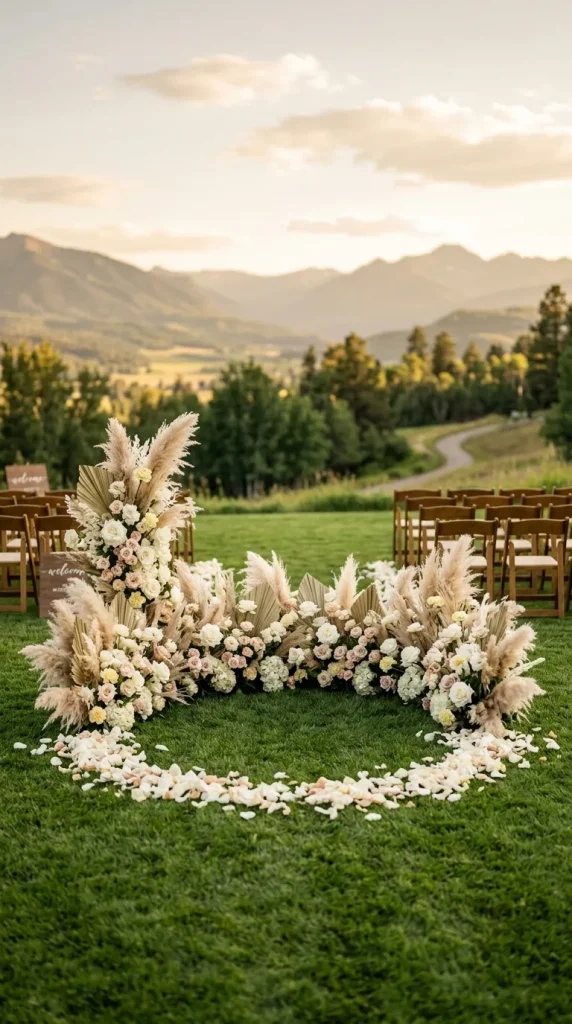
Why This Idea Is Trending or Useful
Outdoor wedding ceremonies continue to lead modern event trends because they offer an expansive, scenic, and inherently romantic alternative to traditional indoor venues. Hosting a ceremony outdoors provides high practical value by expanding guest capacity while taking advantage of natural architecture, mature trees, and golden-hour sunlight as built-in decorative assets. Visual inspiration platforms consistently highlight open-air ceremonies due to their rich natural textures, vibrant color palettes, and photogenic lighting possibilities. Incorporating adaptable elements like living potted plants, thrifted vintage seating, or reusable wooden altars makes outdoor ceremony styling accessible across diverse budget levels. The flexibility of open-air design allows hosts to customize setups for varying climates and landscapes, ranging from sunny coastal beaches and vineyard terraces to rustic pine forests and manicured country club lawns. Emphasizing organic textures, environmental durability, and clear spatial organization allows planners to prioritize guest comfort while framing the wedding party cleanly. Learning these spatial decorating principles equips hosts with essential event design skills, including wind management, proportion control, and seamless outdoor logistics execution.
Materials and Preparation
Thorough advance preparation is essential for building a stable, weather-ready outdoor ceremony space that operates smoothly regardless of environmental conditions. Before setting up decorative elements, evaluate your outdoor site for flat ground, natural sun direction, wind exposure, shade cover, and guest access paths. Gather core structural foundation items, such as heavy-duty altar arches, ground stakes, weighted sandbags, weather-resistant chairs, and heavy fabric runners. Assemble decorative accessories, including glass hurricane sleeves, floral vessels, terracotta pots, hanging lanterns, welcome signage, and fabric drapes. Keep practical utility tools on hand, including heavy-duty zip ties, outdoor extension cords, floral wire, fabric shears, double-sided carpet tape, and drop cloths for on-site floral prep. Plan your overall venue layout by designating distinct functional zones for guest arrivals, processional paths, seating banks, and the main altar focal point. Checking local weather forecasts, treating lawn areas, and setting up shade structures 24 hours prior to setup prevents last-minute disruptions. Systematic advance planning ensures decorative installations remain firmly anchored, comfortable for seated guests, and pristine throughout the ceremony.