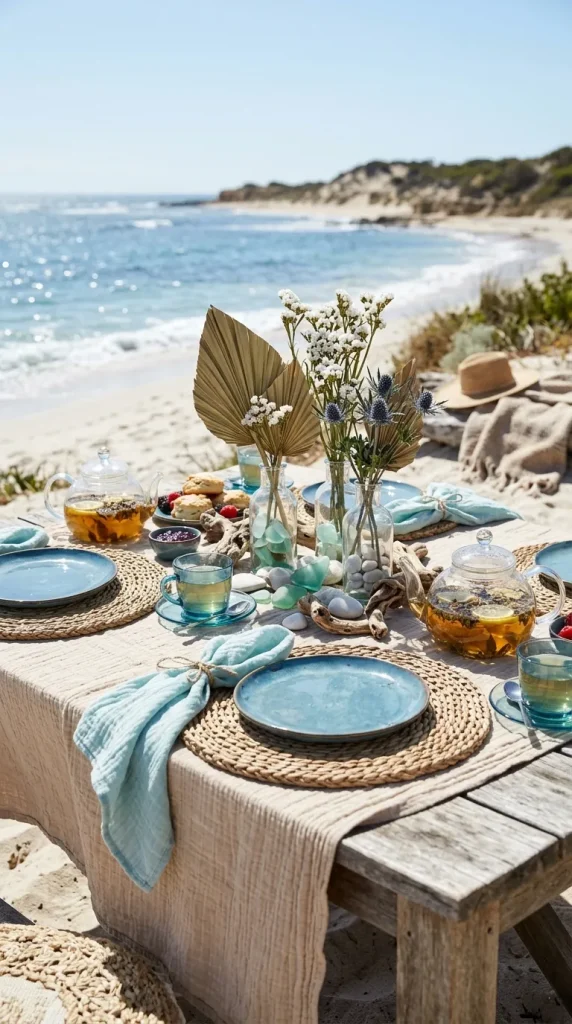
Creating an unforgettable tea party table aesthetic relies on combining classic hospitality with thoughtful design principles. A well-designed tea table acts as the centerpiece of any social gathering, establishing a warm, welcoming environment for guests to enjoy conversation and light refreshments. Incorporating classic porcelain elements, delicate floral arrangements, and structured linens creates a refined visual atmosphere suitable for celebrations, bridal showers, or seasonal afternoon gatherings. Mastering the art of table presentation requires an understanding of proportion, color harmony, and texture layering. By carefully coordinating tableware, serving stands, and decorative accents, any host can elevate a standard afternoon tea into an extraordinary visual experience. This comprehensive guide outlines professional styling strategies, structural table arrangements, and practical preparation steps to help you construct a stunning tea party setting. Readers will gain actionable insight into selecting appropriate linens, arranging height-varied serving platters, organizing stemware, and integrating natural botanical elements seamlessly. Elevating your tabletop presentation allows for memorable social interactions while showcasing personal creativity through curated decorative themes. Understanding how individual elements interact across a table surface ensures that your layout remains functional, accessible, and visually balanced for every guest in attendance.
Why This Idea Is Trending or Useful
The popularity of themed afternoon tea gatherings has resurfaced as a prominent trend in modern home entertainment and event planning. Modern hosts increasingly seek out creative ideas that combine traditional elegance with relaxed, beginner-friendly execution. A curated tea table offers exceptional practical value, transforming standard dining spaces into atmospheric environments without requiring expensive structural overhauls. Visual inspiration platforms frequently highlight tea party setups due to their high aesthetic appeal and versatile styling opportunities. Incorporating handmade decorations, thrifted vintage ceramics, or simple botanical arrangements makes this style accessible to individuals working within varying budget constraints. The adaptability of tea party decorating makes it ideal for diverse celebrations, ranging from intimate outdoor garden lunches to formal indoor holiday gatherings. Emphasizing thoughtful arrangements, distinct textures, and balanced heights allows hosts to showcase unique personal taste while providing functional dining space. Furthermore, organizing a cohesive tea party aesthetic allows beginners to master fundamental decorative principles, such as balance, focal point creation, and color coordination. Embracing these trending decoration techniques ensures your gathering feels curated, memorable, and visually engaging for guests of all ages.
Materials and Preparation
Proper preparation forms the foundation of a stress-free and visually successful tea party presentation. Before assembling decorative elements, hosts must evaluate table dimensions, seating capacity, and overall spatial layout to ensure guest comfort. Begin by selecting high-quality base materials, including ironed linen tablecloths, fabric runners, and matching cloth napkins to establish a clean foundation. Gather essential tableware, such as multi-tiered cake stands, porcelain teacups, matching saucers, teapots, cream pitchers, and flatware. Incorporate decorative accessories like glass bud vases, beeswax pillar candles, woven placemats, and tailored place cards to enhance overall texture. Having basic crafting tools available—including floral shears, clear florist tape, wire cutters, and ribbon—allows for quick adjustments during the setup process. Plan your arrangement by outlining where large central platters will sit in relation to individual place settings to maintain functional space for food service. Cleaning and polishing all glassware, silverware, and china prior to assembly prevents last-minute delays on the day of the event. Thorough advance preparation eliminates spatial congestion, ensures seamless service flow, and guarantees that every decorative element contributes effectively to the overall theme.