Adding three-dimensional texture to minimal designs creates sophisticated, tactile wall art that shifts away from flat, single-color prints. Spackle, commonly used for drywall repair, transforms standard canvases into structural reliefs when applied with palette knives, notch trowels, and custom stencils. This durable, inexpensive, and matte material is the perfect medium for crafting contemporary abstract art, especially the popular arch motif. Whether leaning into a sleek monochromatic gallery look or blending earthy terracotta tones with raw linen, spackle allows you to sculpt, groove, and layer architectural shapes right onto the canvas. This guide presents ten textured spackle arch canvas wall art ideas, detailing the application techniques and stylistic pairings needed to elevate your home decor.
Why This Idea Is Trending or Useful
- Tactile and Dimensional: Spackle adds physical depth and sculptural ridges that catch light and create shadows, giving simple designs a dynamic, architectural presence that flat paint cannot achieve.
- Accessible and Inexpensive: The primary materials—standard drywall spackle, acrylic paint, and a canvas—are affordable and easily sourced at any hardware or craft store.
- Minimalist & Modern Aesthetic: The clean lines of the arch shape provide a structured frame for the organic, imperfect texture of the plaster, fitting seamlessly into Scandinavian, Japandi, and contemporary interior design styles.
- Customizable and Eco-Friendly: You control the color, height, and texture, allowing for infinite personalization. This DIY approach reduces waste associated with purchasing mass-produced art prints and frames.
Materials and Preparation
To begin your spackle art journey, gather clean canvases (stretcher frames or panels), a tub of lightweight drywall joint compound or spackle, palette knives (various sizes), notch trowels, high-quality acrylic paint, and painter’s tape. If working with stencils, use sturdy cardstock or acetate.
Preparation is key: Ensure your canvas is dry and taut. A thin layer of gesso or matte paint applied beforehand improves spackle adhesion. Lay out your tools and protect your workspace, as spackle application can be messy.
1. Minimalist White-on-White Ribbed Arch
How to Create
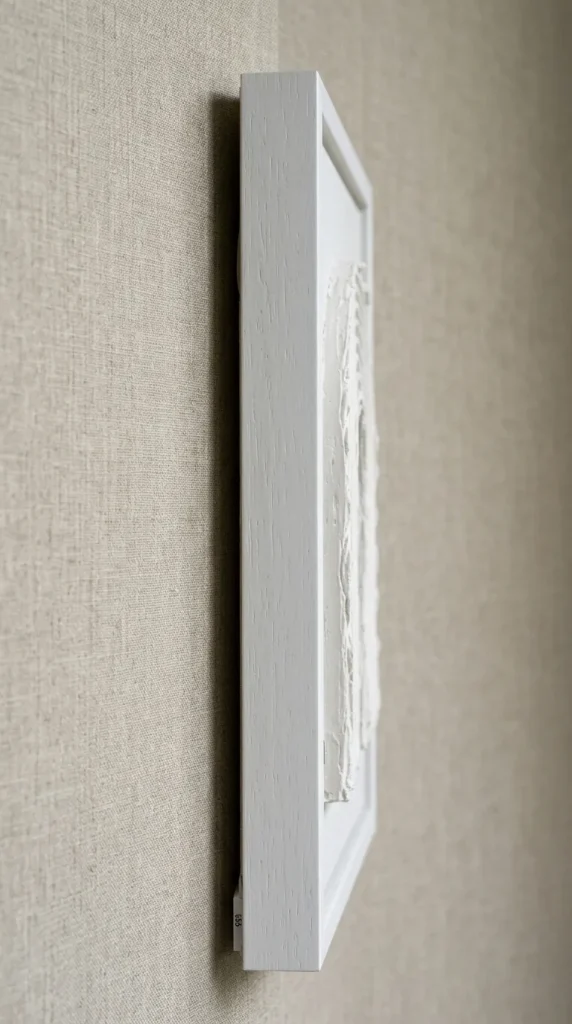
The white-on-white ribbed arch focuses entirely on texture and shadow. The design features a single, prominent arch sculpted purely from thick, white spackle. The distinguishing element is the precise vertical ribbing created by dragging a custom cardboard notch stencil or a coarse notch trowel upward from the base through the wet plaster. The contrast of smooth white canvas against the structured white plaster ridges creates dynamic shadows throughout the day.