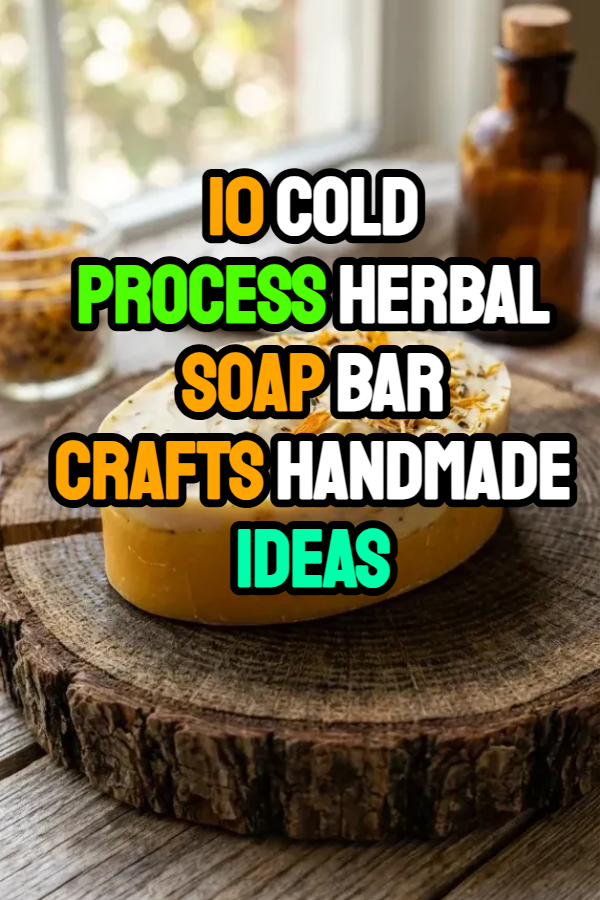
10 Cold Process Herbal Soap Bar Crafts Handmade Ideas

Crafting handmade soap using the cold process method allows for complete control over ingredients, ensuring a gentle, moisturizing bar free from harsh chemicals. By incorporating natural colorants, exfoliant botanicals, and therapeutic essential oils derived directly from herbs, soap makers can create visually stunning, aromatic bars that soothe, cleanse, and invigorate the skin. Cold process soap cures over several weeks, allowing the natural glycerin to develop, which differentiates it from commercially produced detergents. This guide presents ten creative, botanical-focused cold process herbal soap ideas, complete with specific oil blends and additive suggestions to elevate your handcrafted creations.
Why This Idea Is Trending or Useful
Herbal cold process soap is trending because it aligns with the modern consumer’s demand for clean, sustainable, and botanical-based skincare. As awareness grows regarding the synthetic fragrances, sulfates, and parabens found in commercial soap, handmade alternatives offering natural nourishment and transparent ingredient lists become increasingly attractive. Utilizing herbs allows makers to tap into ancient wellness traditions—such as using lavender for relaxation or eucalyptus for invigoration—creating a functional art form. Furthermore, the aesthetic appeal of rustic, swirl-patterned, botanical-topped soap bars makes them highly desirable as personalized gifts and artisan marketplace staples.
Materials and Preparation
Before embarking on cold process soap making, prioritize safety: work in a well-ventilated area, wear safety goggles and chemical-resistant gloves, and use heat-safe glass or stainless steel containers (never aluminum). Essential materials include a precise digital scale, an immersion (stick) blender, a reliable thermometer, soap molds, sodium hydroxide (lye), and distilled water. You will need a base oil blend (e.g., olive oil, coconut oil, shea butter, castor oil) and the specific herbs, essential oils, and natural colorants detailed in the recipes below. Begin by pre-weighing all ingredients and steeping your chosen herbs in your lye-water or base oils (depending on the desired outcome) before the main soap-making session.
1. Calendula Sunshine & Citrus Comfort Bars
How to Create
Calendula Sunshine & Citrus Comfort bars are designed to soothe dry, sensitive skin while offering an invigorating, uplifting aroma. This recipe incorporates a strong calendula flower infusion and generous handfuls of dried calendula petals for both color and gentle exfoliation. The high percentage of olive and shea butter creates a hard, long-lasting bar with a creamy lather.

Key Ingredients:
- Herbal Additive: Strong Calendula Officinalis flower infusion (use in place of lye water), plus dried petals for texture and top decoration.
- Oil Blend: 45% Olive Oil, 25% Coconut Oil, 15% Shea Butter, 10% Rice Bran Oil, 5% Castor Oil.
- Natural Colorant: Dried calendula petals mixed into the trace and scattered on top for a warm orange hue.
- Essential Oils: 40% Sweet Orange, 30% Bergamot, 20% Grapefruit, 10% Frankincense (for grounding).
Styling Tip: For a radiant look, pour a small amount of untinted batter on top of the orange batter just before swirling the dried petals on the surface.
2. Deep Green Nettle & Peppermint Invigoration

How to Create
This bars harnesses the remineralizing power of stinging nettle powder for a deep, natural forest green hue, combined with the tingling freshness of peppermint. The substantial addition of nettle helps reduce inflammation and soothe eczema. The oil blend balances the cleansing power of coconut with the moisturizing properties of avocado and shea butter.
Key Ingredients:
- Herbal Additive: 2 tbsp Stinging Nettle leaf powder (added at light trace), strong nettle leaf tea used for lye water.
- Oil Blend: 40% Olive Oil, 25% Coconut Oil, 15% Avocado Oil, 15% Shea Butter, 5% Castor Oil.
- Natural Colorant: Nettle powder provides the deep green, accented by an ultramarine green mica swirl if desired.
- Essential Oils: 60% Peppermint, 30% Spearmint, 10% Rosemary (for clarity).
Styling Tip: Create a clean, sharp drop swirl by alternating uncolored batter with the deep green nettle batter, starting from a high pour.
3. Lavender Fields & Oatmeal Exfoliant Slab
How to Create

The quintessential herbal soap, this bar combines the timeless relaxation of lavender with the gentle, anti-itch properties of colloidal oatmeal. Ground oats provide creamy texture and mild exfoliation, making this a perfect universal bar for standard skin types.
Key Ingredients:
- Herbal Additive: Strong Lavender flower infusion (for lye water), 3 tbsp Colloidal Oatmeal (added at light trace), dried lavender buds for top decoration.
- Oil Blend: 50% Olive Oil, 25% Coconut Oil, 15% Shea Butter, 5% Castor Oil, 5% Almond Oil.
- Natural Colorant: Alkane root powder or purple Brazilian clay for a soft lavender swirl.
- Essential Oils: 70% Lavender (40/42 or Bulgarian), 20% Clary Sage, 10% Patchouli (for longevity).
Styling Tip: Embed a thin line of ground oats horizontally through the center of the bar to visualize the oatmeal content.
4. Activated Charcoal & Tea Tree Detox Bar
How to Create

Ideal for oily or acne-prone skin, this black-and-white marbled bar uses activated charcoal to draw out impurities while tea tree oil provides potent antimicrobial benefits. The creamy, rich foam is enhanced by a higher percentage of castor oil.
Key Ingredients:
- Herbal Additive: Activated Charcoal powder (add to half the batter), strong Green Tea infusion (for lye water).
- Oil Blend: 40% Olive Oil, 25% Coconut Oil, 15% Sunflower Oil, 10% Shea Butter, 10% Castor Oil (high foam).
- Natural Colorant: Activated charcoal creates the dramatic black, contrasted by uncolored white soap batter.
- Essential Oils: 60% Tea Tree, 25% Lemon, 15% Eucalyptus.
Styling Tip: Master the I-Spy swirl (drop swirl), dropping large amounts of charcoal batter from high above into the white base for dynamic black columns.
5. Rosemary & Spirulina Forest Marble Bars
How to Create

These bars feature the fresh, woody aroma of rosemary paired with the vibrant forest green colorant, spirulina. Spirulina powder is packed with antioxidants and minerals that rejuvenate the skin. Rosemary hydrosol is used for the lye water to amplify the herbal fragrance.
Key Ingredients:
- Herbal Additive: 2 tbsp Spirulina powder (added at light trace), strong Rosemary leaf infusion (for lye water), dried rosemary sprigs for top decoration.
- Oil Blend: 45% Olive Oil, 25% Coconut Oil, 15% Shea Butter, 10% Avocado Oil, 5% Castor Oil.
- Natural Colorant: Spirulina powder provides the green, often marbled with uncolored white soap.
- Essential Oils: 50% Rosemary, 30% Cedarwood, 20% Pine.
Styling Tip: Create a hanger swirl (zebra swirl) within the mold, pulling the spirulina green batter through the white base batter to mimic tree branches.
6. Rose Clay & Geranium Gentle Complexion Bars

How to Create
This delicate, pink-hued soap uses Kaolin Rose Clay to gently cleanse and balance all skin types, especially sensitive or mature skin. Rosehip seed oil, rich in vitamins, enhances complexion, while the floral scent of geranium and palmarosa relaxes the mind.
Key Ingredients:
- Herbal Additive: 2 tbsp Rose Kaolin Clay (slurried with oil and added at trace), strong Hibiscus tea (for lye water—note: hibiscus shifts to gray/brown, so clay provides the lasting pink).
- Oil Blend: 40% Olive Oil, 25% Coconut Oil, 15% Rosehip Seed Oil, 15% Shea Butter, 5% Castor Oil.
- Natural Colorant: Rose Clay provides the signature soft pink color.
- Essential Oils: 50% Geranium, 30% Palmarosa, 20% Ylang Ylang.
Styling Tip: Opt for a simple, uniform pour to let the rose clay color shine, then top with dried pink rose petals and rose buds.
7. Golden Turmeric & Ginger Glow Soap
How to Create

This bright orange bar is anti-inflammatory and antioxidant-rich, thanks to potent turmeric powder. Ginger essential oil improves circulation and provides warming comfort. The bar offers an earthy, spicy aroma that energizes the senses.
Key Ingredients:
- Herbal Additive: 2 tbsp Turmeric powder (added at light trace), strong Ginger root infusion (for lye water).
- Oil Blend: 45% Olive Oil, 25% Coconut Oil, 15% Shea Butter, 10% Sweet Almond Oil, 5% Castor Oil.
- Natural Colorant: Turmeric powder creates the deep, golden-orange hue.
- Essential Oils: 50% Orange, 30% Ginger, 20% Black Pepper.
Styling Tip: A diagonal mantra swirl in a loaf mold shows off the intense turmeric orange against the creamy white soap base.
8. Coffee & Clove Exfoliant Power Bars
How to Create

Designed for rough skin, gardeners, or mechanics, this heavy-duty exfoliant bar uses ground coffee to scrub away grime and neutralize odors (like garlic or onions). Strong brewed coffee replaces lye water, adding rich antioxidant properties and a subtle mocha scent.
Key Ingredients:
- Herbal Additive: Strong brewed Coffee (replace lye water), 3 tbsp medium-ground Coffee (added at light trace).
- Oil Blend: 40% Olive Oil, 25% Coconut Oil, 15% Coffee Bean infused Oil (if available, otherwise use Olive), 15% Shea Butter, 5% Castor Oil.
- Natural Colorant: Brewed coffee creates a deep mocha brown, contrasted with a creamy uncolored layer.
- Essential Oils: 60% Coffee Bean extract, 25% Clove, 15% Cassia (use cautiously—skin sensitizer).
Styling Tip: Create a stark horizontal line: pour the brown coffee batter in the bottom half of the mold, then carefully layer the creamy white batter on top.
9. Eucalyptus & Sea Salt Bracing Spa Bars
How to Create

Bring the spa experience home with this refreshing, invigorating bar featuring purifying sea salt and respiratory-opening eucalyptus. This recipe creates a hard, long-lasting bar with a unique “salty” texture and intense cooling sensation.
Key Ingredients:
- Herbal Additive: Fine Sea Salt (add 1 tbsp per pound of oils at trace), strong Eucalyptus leaf infusion (for lye water).
- Oil Blend: 70% Coconut Oil (for cleansing and hardness), 20% Shea Butter, 5% Avocado Oil, 5% Castor Oil. (High CO percentage makes it very hard).
- Natural Colorant: A subtle green/blue mica swirl to represent the sea.
- Essential Oils: 60% Eucalyptus Globulus, 30% Lemon, 10% Pine.
Styling Tip: Pour the main batter, then lightly swirl a vibrant cobalt blue mica slurry on the top surface with a bamboo skewer to create waves.
10. Chamomile & Honey Baby-Gentle Bars
How to Create

Formulated without essential oils for ultimate gentleness, this bar relies on the soothing power of chamomile and moisturizing honey. The high percentage of olive oil makes it incredibly mild and conditioning, perfect for infants or standard dry skin.
Key Ingredients:
- Herbal Additive: Very strong Chamomile flower infusion (for lye water), 1 tbsp local raw Honey (added to oils before lye—be aware, honey accelerates trace).
- Oil Blend: 70% Olive Oil (Castile style), 15% Coconut Oil, 10% Shea Butter, 5% Castor Oil.
- Natural Colorant: Natural warm cream color from the chamomile and honey.
- Essential Oils: None (scent comes subtly from honey and chamomile infusion).
Styling Tip: Keep it rustic and unscented. Use a decorative mold with a honeybee pattern or simply top with whole chamomile flowers.
Common Beginner Mistakes and How to Avoid Them
The most critical mistake when starting cold process soap making is failing to treat the sodium hydroxide (lye) with proper respect. Always add lye to the water, not vice versa, to avoid a volcanic reaction. Lye water gets extremely hot and is corrosive; always wear safety gear. Another common error is inaccurate measuring: soap making is chemistry, and using a generic cup instead of a digital scale will result in a bar that is either “lye heavy” (harsh) or too soft. For herbal additives, beginners often use fresh herbs, which will inevitably rot and turn brown in the alkaline environment of curing soap. Always use fully dried herbs, powders, and botanical extracts. Finally, many beginners struggle with “trace”: hitting standard trace (pudding consistency) is standard, but some additives (like honey, spices, or certain floral essential oils) accelerate trace to “soap-on-a-stick” in seconds. Start with simple recipes before incorporating complex herbal accelerants.
Practical Tips for Better Results
Achieving professional, boutique-quality results relies on temperature control, proper insulation, and curing patience. Use an immersion blender to achieve a stable trace quickly and ensure complete saponification. Aim for lye water and oil temperatures within 10-15 degrees of each other (ideally between 90-110°F) for optimal swirling control. For vibrant herbal colors (like nettle, spirulina, or calendula), insulate your molds immediately after pouring by wrapping them in towels or placing them in a slightly warm (then turned off) oven; this forces “gel phase,” resulting in brighter colors and a harder bar. Finally, respect the curing process: cold process soap requires a minimum of 4-6 weeks to cure. Cutting this short results in a soft, alkaline bar that dissolves quickly. Patience during the cure is non-negotiable for a gentle, effective soap.
Styling, Presentation, or Organization Ideas
Styling handmade cold process herbal soap turns a functional item into artisanal decor. Group bars with matching botanical themes—for instance, placing three varied lavender soaps on a weathered gray wooden slice. Create visually dynamic displays by cutting bars with varied tools: standard flat bars look polished, while using a wavy cutter provides a rustic edge. Emphasize the herbal content by always topping your bars with dried botanicals before they fully set. Organize your soap workspace using clear glass jars labeled with elegant script for dried herbs, clays, and powders; keep essential oils in dark amber glass bottles to preserve potency. For gifts, wrap individual bars in recycled kraft paper bands tied with natural jute twine, tucking a fresh sprig of the corresponding herb (like rosemary or lavender) under the knot.
Budget or Time Planning
Handmade cold process soap requires a modest initial investment for safety gear and equipment (scale, blender, thermometers), roughly $60-$80. Once equipped, the cost per bar is highly economical, with standard herbal bars costing $1.50-$2.50 to produce, depending on the rarity of the essential oils used. Time planning is essential: the active making phase (measuring, blending, pouring) takes 1-2 hours. The soap must then sit in the mold for 24-48 hours before cutting. The critical final phase is curing, which takes 4-6 weeks. Plan your batches well in advance of intended use or market dates, ensuring you have enough inventory curing to meet demand.
Creative Expansion and Advanced Inspiration
Once you have mastered foundational herbal recipes, expand into complex techniques and mixed media. Explore advanced color matching by layering natural pigments: use activated charcoal for the bottom third, indigo for the middle, and spirulina for the top of a bar to create an oceanic gradient. Combine textile art with soap making by felting a cured herbal bar in merino wool, creating a built-in washcloth that lasts for months. Experiment with dual infusions, steeping dried calendula in your olive oil for six weeks before using that oil in your sunflower citrus recipe for maximum botanical potency. Advanced crafters can master intricate designs like the column swirl using multiple color-tinted herbal batters or embedded “swirl” blocks of previously made soap for dramatic geometric relief.
