Designing a captivating tabletop display is one of the most effective ways to elevate everyday dining spaces, seasonal gatherings, and formal celebrations. Table decorations serve as the visual centerpiece of a room, bridging the gap between functional furniture and thoughtful interior styling. This comprehensive guide explores foundational arrangement techniques, practical step-by-step methods, and creative layout ideas designed to help you style various tabletop surfaces. Readers will discover how to harmoniously blend organic botanicals, textured runners, ambient lighting, ceramic accents, and layered serveware into a unified presentation. By focusing on practical DIY strategies, proper spatial scaling, and adaptable seasonal swaps, decorating your dining table, coffee table, or entryway console becomes an accessible, rewarding creative project. Whether preparing a casual weekend brunch or curating a permanent dining room feature, these practical concepts provide actionable inspiration suitable for various budgets and skill levels. Understanding how to balance height variation, material contrast, and negative space ensures your table decoration remains visually appealing without cluttering your living environment.
Why This Idea Is Trending or Useful
The popularity of curated tabletop design across home styling and visual inspiration platforms stems from a growing focus on intentional, comfortable living spaces. The dining table is often the central anchor of a home’s communal area, making its decoration a key element in establishing overall interior mood. Modern tabletop trends favor versatile, layered setups that balance rustic natural textures with sleek modern minimalist style elements. Beyond pure visual charm, thoughtful table arrangements prioritize functional utility—keeping decor low enough for natural conversation flow and easy to clear during meal times. Beginners appreciate this design approach because decorating a single surface offers an immediate visual refresh without requiring extensive room remodeling or large financial investments. Emphasizing accessible materials, straightforward layout rules, and adaptable seasonal items makes tabletop styling a highly practical method for showcasing personal aesthetics and welcoming guests into your home.
Materials and Preparation
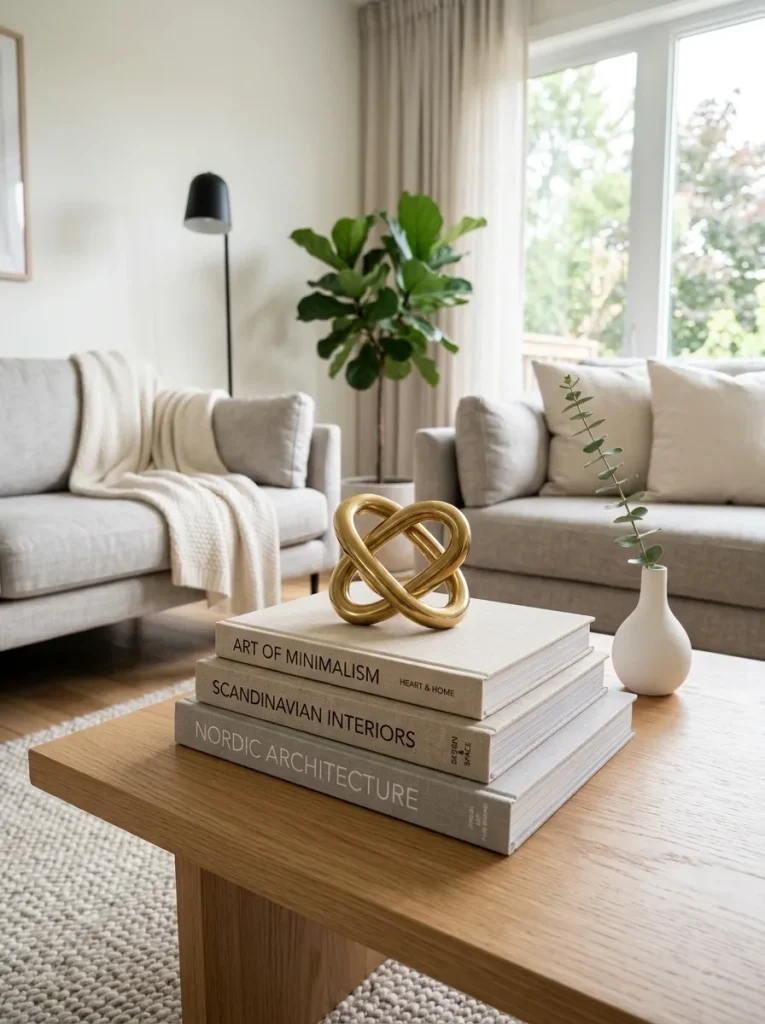
Proper preparation and material selection establish the foundation for building a balanced, durable tabletop arrangement. Before arranging decorative components, gathering high-grade tools and foundational pieces ensures structural harmony and protects your furniture surfaces. Standard supplies for tabletop decoration projects include fabric runners, wooden or woven trays, ceramic vases, glass hurricane sleeves, pillar candles, and felt protective pads to prevent surface scratching. Decorative elements often incorporate fresh or preserved florals, dried botanicals, river stones, stacked books, and sculptural pottery. Preparation involves measuring your table dimensions accurately to maintain proper scale, selecting a cohesive color palette that complements surrounding room finishes, and thoroughly cleaning the tabletop surface. Establishing a clear, clean workspace equipped with polishing cloths, wire cutters for botanical stems, and flame-free lighting alternatives streamlines your styling workflow while preserving your decor items for long-term use.