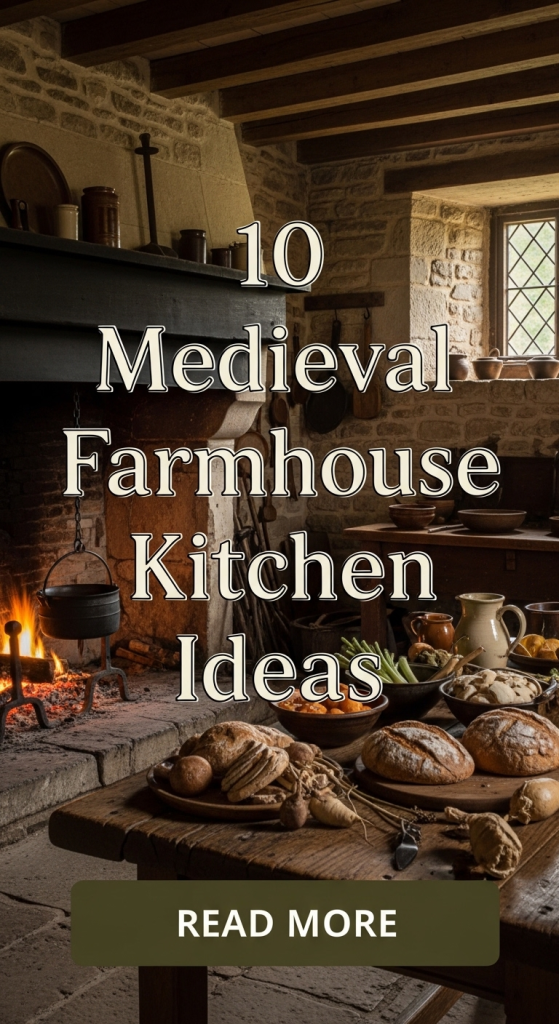
Medieval farmhouse kitchens have a charm that is both timeless and inviting. They blend rustic simplicity with historical character, offering spaces that are warm, functional, and aesthetically appealing. Whether you are remodeling your kitchen, designing a new home, or simply looking for inspiration, incorporating medieval farmhouse elements can bring a sense of history and comfort into your cooking space. Here, we explore ten medieval farmhouse kitchen ideas that will help you create a kitchen with character, charm, and practical functionality.


1. Exposed Wooden Beams

One of the most iconic features of medieval farmhouse kitchens is exposed wooden beams. These beams can be structural or decorative, but they always add warmth and texture to the kitchen. Choose thick, dark-stained timber for authenticity, or lighter woods for a more modern interpretation. Exposed beams pair beautifully with stone or brick walls and wooden floors, creating a natural and rustic atmosphere.

  • Design Tip: Use beams to define different zones in the kitchen, such as over the cooking area, dining space, or kitchen island. You can also add wrought iron hooks on the beams to hang pots, pans, or utensils for both functionality and visual appeal.

2. Stone or Brick Walls

Medieval farmhouses often featured stone or brick walls, which provided durability and a rustic aesthetic. For a kitchen, consider leaving one wall in natural stone or adding a brick backsplash behind the stove. These materials create an earthy, grounded feel and work well with wooden cabinets and vintage-style fixtures.

  • Design Tip: Mix stone or brick with plaster or whitewashed walls to prevent the kitchen from feeling too dark. Natural textures can be complemented with wooden shelves, rustic cabinetry, and wrought iron accessories for a complete medieval look.

3. Large Hearth or Wood-Burning Stove

The hearth was the heart of a medieval kitchen, used for cooking and heating. While modern kitchens may not require an actual open fire, you can replicate the effect with a large wood-burning stove or a traditional cast-iron range. These appliances not only provide warmth but also serve as a focal point in the kitchen.

  • Design Tip: Surround the stove with stone or brick to mimic an old-fashioned hearth. Add a mantel or shelf above the stove to display cooking utensils, jars, or antique kitchenware, emphasizing the historic farmhouse feel.

4. Rustic Wooden Cabinets

Medieval kitchens featured simple, functional storage, often made from solid wood. Incorporate rustic wooden cabinets with natural finishes, exposed grain, and minimal ornamentation. Oak, pine, and walnut are excellent choices for authenticity. Consider open shelving or glass-front cabinets to display pottery, copper pans, and other farmhouse essentials.

  • Design Tip: Avoid modern cabinet hardware. Instead, choose wrought iron handles, latches, or wooden knobs for a medieval touch. Pair these cabinets with stone or wooden countertops to maintain the rustic farmhouse vibe.

5. Farmhouse Sink with Deep Basin

The farmhouse sink is a staple of rustic kitchen design. For a medieval-inspired kitchen, opt for a deep, apron-front sink made from stone, copper, or enamel. These sinks were practical in the past for washing large pots, vegetables, and even laundry, and today they continue to offer utility while enhancing the historic look.

  • Design Tip: Pair the sink with a wall-mounted brass or copper faucet. Surround the sink area with wooden countertops or stone slabs, and consider installing a draining board for an authentic medieval feel.

6. Handcrafted Furniture and Tables

Medieval kitchens often featured handcrafted wooden furniture. Consider a large farmhouse table with thick wooden legs and a rough-hewn top for dining or food preparation. Benches and stools made from solid wood can complement the table, creating a communal, welcoming atmosphere.

  • Design Tip: Distressed finishes or reclaimed wood add character and authenticity. Carve simple designs into the furniture or leave it raw for a rustic, lived-in feel. Large wooden drawers or sideboards can provide additional storage without disrupting the medieval aesthetic.

7. Wrought Iron Fixtures and Accents

Wrought iron was commonly used in medieval kitchens for tools, lighting, and hardware. Incorporating wrought iron elements in your kitchen adds durability and style. Consider iron chandeliers, pendant lights, cabinet handles, pot racks, and hooks to enhance the historic ambiance.

  • Design Tip: Mix wrought iron with warm wood tones and natural stone to avoid a heavy or industrial look. Vintage-style iron candle holders or lanterns can also serve as charming decorative accents, giving your kitchen an authentic medieval touch.

8. Stone or Wooden Flooring

Flooring plays a key role in establishing the medieval farmhouse feel. Stone floors were common in historic kitchens for durability, while wooden planks offered warmth and comfort. Both options are ideal for creating a rustic, old-world aesthetic.

  • Design Tip: Choose uneven or distressed stone tiles for a more authentic medieval appearance. For wooden floors, wide planks with a matte finish add character. Layer the floor with woven rugs or natural fiber mats to soften the space and enhance warmth.

9. Open Shelving and Display Spaces

Medieval kitchens often lacked modern cabinetry, so open shelving was practical for storing dishes, pots, and ingredients. Incorporating open shelves in your farmhouse kitchen allows you to display beautiful ceramics, glass jars, copper pots, and vintage kitchenware while keeping essentials within easy reach.

  • Design Tip: Use reclaimed wood or distressed timber for shelving. Arrange items in a visually pleasing way, mixing textures and colors. Consider adding hooks beneath shelves for hanging utensils or mugs, enhancing both functionality and medieval charm.

10. Natural Lighting and Leaded Glass Windows

Lighting is crucial in recreating the ambiance of a medieval kitchen. Large windows, often with leaded glass panes, allowed natural light to fill the space. If possible, choose windows with divided lights or stained glass for a historical touch. Natural light enhances the textures of stone, wood, and metal, making the kitchen feel warm and inviting.

  • Design Tip: Pair natural light with wrought iron candle sconces or lantern-style pendant lights for evening illumination. Sheer linen curtains or wooden shutters can add softness while maintaining the historic farmhouse style.

Extra Tips for Achieving a Medieval Farmhouse Kitchen

  1. Color Palette: Stick to earthy tones such as browns, beiges, muted greens, and deep reds. Avoid overly bright or modern colors, as they can disrupt the historical feel.
  2. Textures and Materials: Mix natural textures like wood, stone, copper, and clay. The combination of rough and smooth surfaces adds depth and authenticity.
  3. Antique Accessories: Decorate with antique or reproduction items such as earthenware pots, copper pans, vintage jars, woven baskets, and old-fashioned utensils. These small details enhance the medieval charm.
  4. Functional Layout: Medieval kitchens were designed for practicality. Incorporate large countertops, spacious tables, and organized storage to reflect this utilitarian approach while maintaining rustic aesthetics.
  5. Plants and Herbs: Add potted herbs or hanging dried herbs to bring life and fragrance into the kitchen. Herbs were commonly stored in medieval kitchens for cooking and medicinal purposes.
  6. Mix of Modern and Medieval: While staying true to the medieval aesthetic, you can discreetly incorporate modern conveniences like induction cooktops, hidden appliances, or efficient lighting. Keep these elements subtle to maintain the historical look.

Conclusion

Creating a medieval farmhouse kitchen is all about blending rustic charm, historical elements, and modern functionality. From exposed wooden beams and stone walls to wrought iron fixtures and handcrafted furniture, each feature adds character and warmth. Whether you are designing a full kitchen remodel or simply looking for inspiration, these ten medieval farmhouse kitchen ideas provide a blueprint for creating a space that is timeless, welcoming, and practical. By carefully choosing materials, furniture, and accents, you can transform your kitchen into a cozy, historic haven where cooking and gathering feel both nostalgic and luxurious.

Embrace the textures, natural materials, and timeless charm of medieval design, and your kitchen will become not just a place for cooking, but a centerpiece of comfort, history, and style.