The PVC awning-tunnel snout entry tote incorporates a specialized exterior entry conduit made from a six-inch PVC pipe elbow, providing strong protection against wind, rain, and snow infiltration. Standard flat entry holes on flat tote walls allow blowing rain and lateral wind gusts to enter the interior cavity. Attaching a curved or downward-angled PVC pipe segment to the front entry hole creates an extended, shielded entrance tunnel that blocks wind, keeps driving rain from blowing inside, and prevents larger predators such as dogs and coyotes from reaching inside the box. The downward angle of the exterior pipe acts as a built-in drip edge, ensuring runoff rolls off the exterior without entering the sleeping quarters.
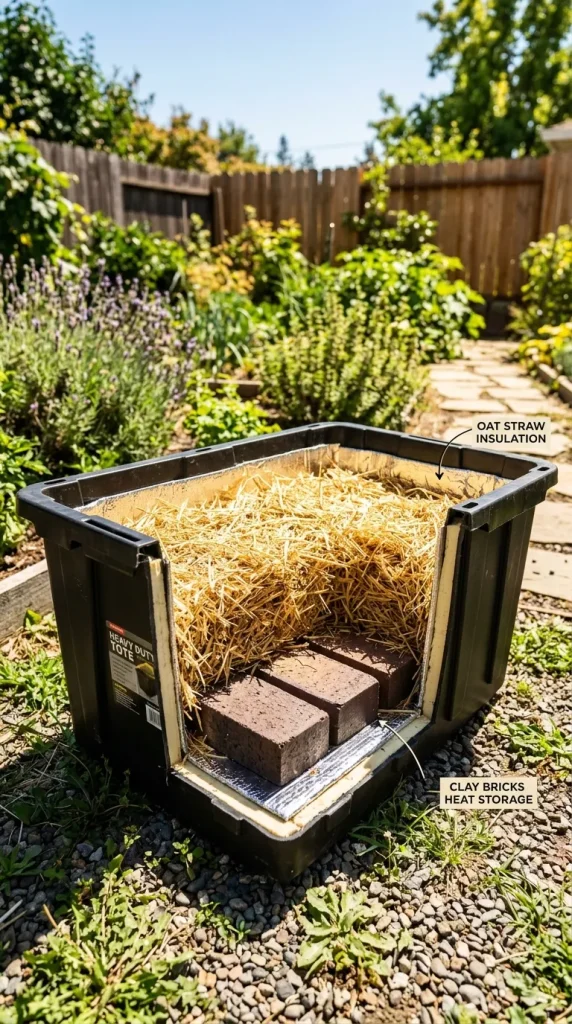
To construct this tunnel shelter, purchase a lightweight twenty-gallon plastic tote and a six-inch diameter PVC ninety-degree street elbow or drainage pipe fitting. Trace the outer diameter of the PVC pipe onto the short end wall of the storage tote, positioning the bottom of the circle four inches above the base, and cut out the circle with a utility knife. Insert the male end of the PVC elbow through the cut hole so the open mouth angles downward toward the ground outside, extending two inches into the interior. Secure the pipe collar tightly against the plastic tote wall using exterior-grade polyurethane sealant (like Lexel or marine silicone) and reinforce the interior connection with two short self-tapping screws. Line the tote interior with fitted one-inch foam boards, cutting a matching hole to accommodate the internal pipe extension. Bed the interior deeply with dry oat straw, seal the top lid with waterproof tape, and elevate the box slightly on bricks to maintain clearance beneath the downward-facing entry pipe.